Afruniverse at the Paystack SMB Launchpad: Four Weeks of Building, Questioning and Learning
A founder account of four weeks inside the Paystack SMB Launchpad — and why trust, demand and the business around the product now sit at the centre of Afruniverse.
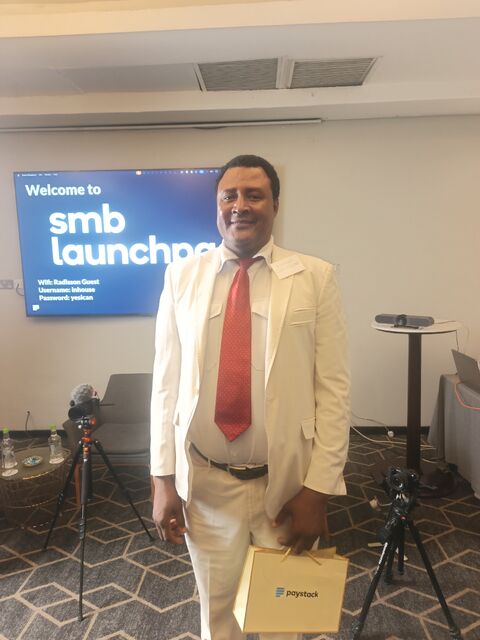
There are times in the life of a young company when the most useful thing a founder can do is leave the desk, step outside the product and listen.
For four weeks, the Paystack SMB Launchpad gave me an opportunity to do that.
I entered the programme as the founder of Afruniverse, a marketplace we are building to connect businesses with African creative professionals. I came with questions about payments, marketplace operations and growth.
I left with those questions — but also with a much bigger one:
How do we build a marketplace that businesses will repeatedly trust with real work?
That question may ultimately prove more important than anything else I took away from the programme.
Why I went to the Launchpad
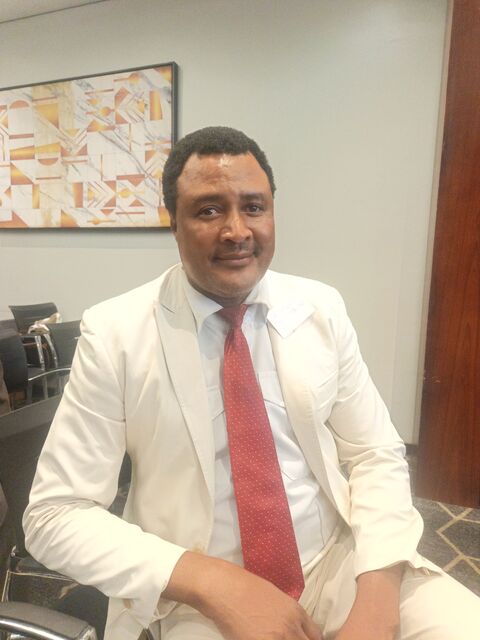
Afruniverse was already attracting African creatives.
Designers. Developers. Video professionals. Photographers. Content creators. Voice artists and other professionals were joining the platform.
That was encouraging, but it exposed the other half of the marketplace equation.
Who is going to hire them?
A marketplace does not become successful merely because talented people register. Talent without sufficient demand is still an incomplete marketplace.
So when the opportunity came to participate in Paystack's SMB Launchpad, I saw it as more than another business event.
Paystack already formed part of Afruniverse's payment infrastructure. I wanted to learn directly from the company powering our payments, understand how other businesses were growing, ask difficult operational questions and examine Afruniverse from outside the confines of our own product.
The first lesson: a product is not a business
One lesson kept returning throughout the programme:
A good product is not enough. You must build the business around the product.
That means understanding customers.
It means learning how to sell.
It means getting payments and operations right.
It means building trust.
It means listening, testing, measuring and improving.
Technology can make a marketplace possible, but technology alone cannot make people use it.
For Afruniverse, that distinction matters enormously.
We can build job posting, applications, workrooms, payments, creator profiles and delivery systems. But ultimately, the test is whether a business can arrive with a genuine need, find the right professional, hire with confidence, receive good work and have enough confidence in the experience to return.
A conversation that challenged me
One of the most useful conversations I had during the programme was also one of the least comfortable.
I spoke with a software developer and encouraged him to consider Afruniverse.
He told me his projects begin at around ₦5 million and that he did not believe the clients presently on the platform could afford him.
It would have been easy to hear that simply as a rejection.
Instead, I listened to what came afterwards.
His advice was essentially this: attract excellent professionals who can establish a standard others want to be associated with. Make it possible for those professionals to perform exceptionally well. Their performance will help give employers reasons to come — and reasons to return.
I have continued thinking about that conversation.
The challenge for Afruniverse is not simply to accumulate registrations.
We need quality. We need demand. And we need successful transactions between the two.
Ten excellent professionals consistently delivering for paying clients may ultimately create more marketplace value than thousands of inactive profiles.
Payments led me to a bigger subject: trust
I entered the Launchpad thinking considerably about payments.
That was natural. Afruniverse is a two-sided marketplace, and the movement of money between clients, the platform and creative professionals is one of the most consequential parts of the system.
But the deeper we went, the clearer something became:
Payments are part of a much larger trust problem.
An employer hiring somebody online wants to know: Who is this person? Can they actually do the work? What happens after I pay? Where does the conversation take place? How is delivery recorded? What happens if something goes wrong?
The creative professional has corresponding questions: Is this client genuine? Has the client actually paid? What exactly am I expected to deliver? When does my money become payable? Is there a record of what was agreed?
That is why Afruniverse cannot merely be a directory of freelancers.
We are building toward a marketplace where a business can find, hire, pay and manage African creative talent through a structured environment, while creatives have a professional system through which they can find opportunities, deliver work and build reputations.
That is the trust infrastructure behind the marketplace.
Learning from other businesses
The Launchpad also created opportunities to interact with other founders, operators and business owners.
Those conversations were useful precisely because everybody was not building the same thing.
Different businesses had different problems: acquiring customers, collecting payments, managing operations, retaining users, improving margins and scaling processes that had previously depended on the founder.
It reinforced something that can easily be forgotten while building software:
Businesses are ultimately built around human behaviour, not feature lists.
A feature matters when it solves a real problem.
A payment system matters when money moves reliably.
A marketplace matters when people actually transact.
A workroom matters when it helps a client and professional complete real work.
Growth metrics matter when they represent genuine economic activity.
From Launchpad lessons to Afruniverse decisions
The value of a programme like this should not be measured only by photographs, contacts or the number of sessions attended.
The more important question is:
What changes when you return to your business?
For Afruniverse, several priorities became clearer.
We need to keep improving trust between businesses and creatives.
We need to make payments and creator payouts increasingly transparent and dependable.
We need to focus not merely on bringing more creatives onto the platform, but on bringing employers and actual work.
We need to identify strong professionals capable of delivering work that strengthens the reputation of the marketplace itself.
And we need to keep examining every assumption against actual marketplace behaviour.
These are not things that will be solved by one event or one product release. They are part of building the company.
The closing ceremony
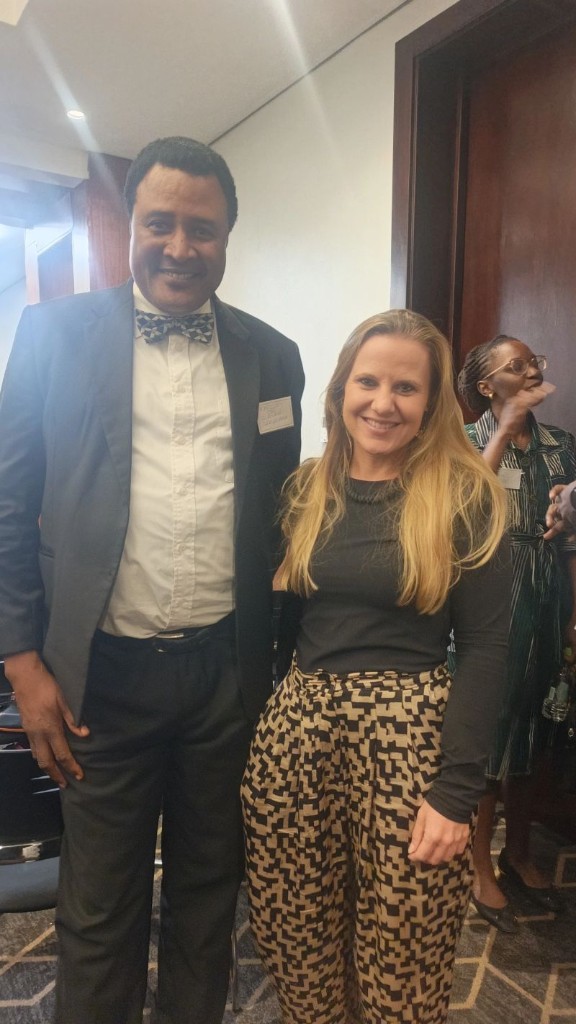
The programme eventually came full circle at its closing ceremony at Radisson Hotel, Ikeja.
It was an opportunity to reflect on several weeks of learning and interaction and to engage with people across the business and technology ecosystem.
Among the people I had the opportunity to meet and interact with during the experience were members of Paystack's leadership, including Shola Akinlade OON, CEO and co-founder of Paystack, and Amandine Lobelle, Chief Operating Officer of Paystack.
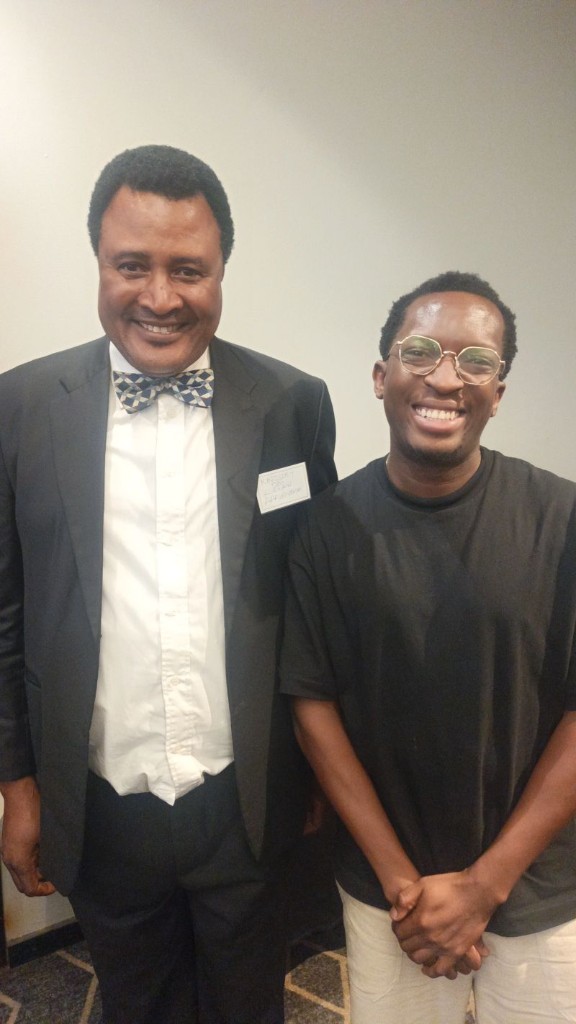
The closing programme also included perspectives from entrepreneurs, operators and investors, including Jumoke Dada of Taeillo, Oreoluwa Shonibare of wiicreate, Dolapo Morgan of Ventures Platform, and Amandine Lobelle of Paystack.
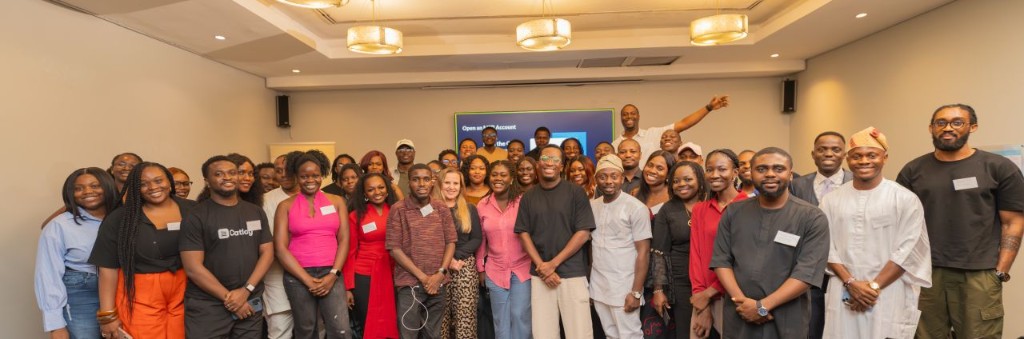
But perhaps the most important outcome was not any single conversation.
It was perspective.
What I am taking back to Afruniverse
Four weeks inside the Paystack SMB Launchpad changed how I think about Afruniverse.
I entered with a marketplace already attracting African creatives.
I leave more conscious that supply alone does not build a marketplace.
I entered thinking heavily about payments.
I leave thinking even more about trust, quality and demand.
I entered focused on building the product.
I leave with an even stronger appreciation that we must simultaneously build the business around the product.
Afruniverse is still young.
We are still testing.
Still correcting mistakes.
Still learning what employers need.
Still learning what African creative professionals need.
Still discovering which assumptions survive contact with real customers.
And that is precisely why experiences like this matter.
The objective was never to leave Launchpad believing that we had figured everything out.
The objective was to leave better equipped to continue figuring it out.
The work continues
The Paystack SMB Launchpad has ended.
Afruniverse's work has not.
We are building toward a marketplace where African creative talent can compete professionally and where businesses can hire that talent with greater structure and confidence.
Every conversation helps.
Every employer teaches us something.
Every creative teaches us something.
Every transaction tests the system.
Every mistake exposes something that needs to improve.
And every successful project gives us another indication of what Afruniverse can become.
Building. Testing. Learning. Improving.
That is the journey.
Kingsley Obi Lekan Founder, Afruniverse
Post a Job. Find African Creative Talent. afruniverse.com
Continue in the archive
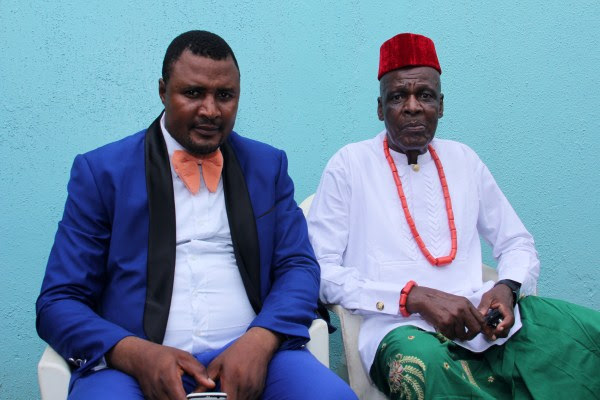
Apollo 13: My Father, Emmanuel Kejuo Lekan
Kingsley Obi Lekan reflects on the life of his father, Emmanuel Kejuo Lekan — Apollo 13 — and what his generosity, resilience, work, family and enduring smile have taught him about measuring a life.
The House That Felt Like a Village
Kingsley Obi Lekan reflects on growing up around family, work and the agricultural estates of old Cross River, and how those early experiences shaped his understanding of opportunity, community and employment.
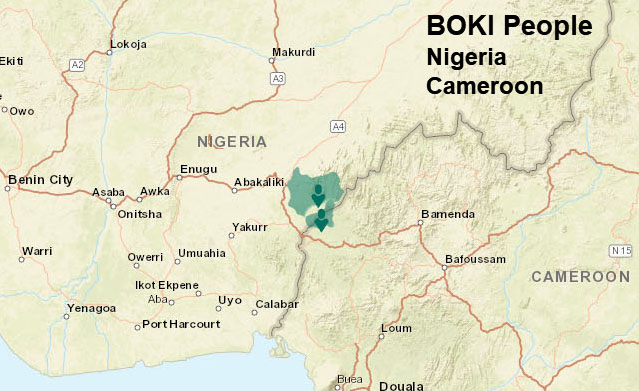
A Chronology of Bokyi History
A developing chronology of Bokyi history from colonial contact and Native Courts to the creation of Boki Local Government Area, preserving verified records, community history and questions requiring further research.